The Bakery Stools Project

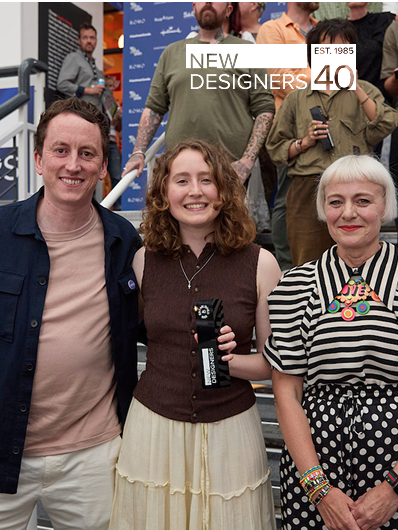
At the heart of great design is something deceptively simple: people. How they gather, how they connect, and how everyday objects can quietly support those moments. That belief sits at the core of why we’re proud to name Libby as our New Designers 2025 Award Winner for her Bakery Stool’s project, a thoughtful piece of design rooted in community and care.
A Project That Started with Bread and Became Much More
Libby’s winning project didn’t begin as a stool. It started with a Stottie, a traditional flatbread deeply embedded in Northeast culture. Originally explored through a set of Stottie stands created for the Baltic Centre for Contemporary Art gift shop, the project quickly grew into something richer: an investigation into place, people, and shared experience.
The Stottie itself became a symbol. Historically eaten by shipbuilders, passed down through generations (including stories shared by Libby’s own grandparents), it represents nourishment, labour, and togetherness. For Libby, it was the perfect anchor point for a design process grounded in Newcastle’s identity.

Designing for Gathering, Rooted in Community
What stood out immediately was Libby’s clarity of intent. Her work isn’t about objects as isolated pieces of furniture, it’s about what happens around them. Community, connection, and gathering are recurring themes throughout her practice, shaped by personal experiences of family, faith, and shared tables during her time at university.
A key strength of the project was Libby’s collaboration with Big River Bakery, a Newcastle-based community social enterprise. Known for their deep commitment to Shieldfield, from free baking classes to food donations for local schools, Big River’s values closely aligned with Libby’s own. That shared passion for community directly informed the stools’ design language, materials, and functionality.
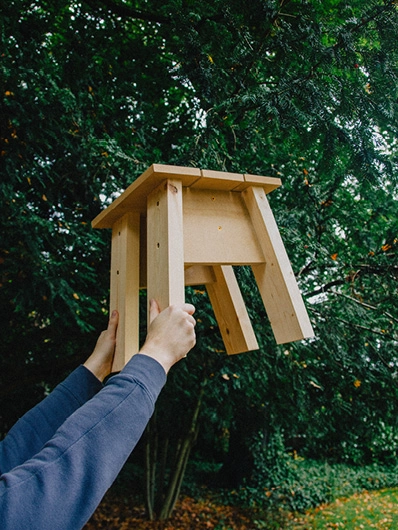
The project began with a set of wooden stools, featuring interlocking forms that symbolised connection and reflected the way the bakery brings people together. From there, Libby developed a more robust metal version, carefully designed to meet the practical demands of a busy café environment while retaining the same community-led intent.

Practical, Durable, and Thoughtfully Resolved
The final metal stools balance character with practicality. Powder-coated for durability, they’re built to withstand daily wear while remaining suitable for both indoor and outdoor use, reflecting Big River’s flexible café space. Colour choices were carefully considered, drawing from the bakery’s interior palette and branding: deep blues, lighter blues, and white tones that sit comfortably within the space rather than competing with it.
One of the project’s most distinctive features, the circular hole at the centre of the seat, is directly inspired by the Stottie itself. During baking, a thumb is pressed into the middle of the bread to help it rise correctly. Here, that same gesture becomes functional design: an easy grip for lifting and moving the stool, making it lightweight, accessible, and easy for anyone to use. Stacking guides, floor-friendly feet, and a lightweight structure ensure the stools can be quickly rearranged, stored, or repositioned, supporting the dynamic, ever-changing nature of a community café.

Design, Making and Delivery
What truly sets Libby apart is her commitment to seeing a project through in its entirety. From long hours spent in university workshops to collaborating with external metal spinners and powder coaters, she followed the bakery stool project from initial concept through to finished product. Creating tooling by hand, observing traditional metal spinning techniques firsthand, and embracing the precision of filing, welding, and refining every detail, Libby developed a practice rooted equally in craft and professional collaboration, a clear indication of a designer already operating beyond an academic context.
Her approach extended well beyond the object itself. Libby embraced the wider responsibilities of contemporary design, taking ownership of photography, graphic presentation, and film to ensure the project was communicated as thoughtfully as it was made. Balancing timelines, coordinating manufacturers, and managing multiple moving parts proved challenging, but ultimately formative, strengthening her ability to think holistically across design, making, communication, and collaboration.
This combination of hands-on skill, social purpose, and contextual sensitivity is exactly what we look for in emerging designers. Libby’s work demonstrates a deep respect for community, a clear human-centred approach, and an understanding of how everyday objects can quietly foster connection and honour heritage. Her bakery stool project is not just well designed, it is carefully considered, and a fitting reflection of why we are proud to recognise Libby as our New Designers 2025 Award Winner.
Watch Libby's story