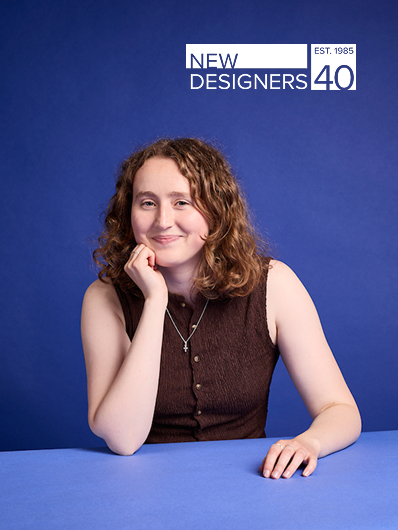
New Designers: Megan Shaw

Can you tell us a bit about yourself and what drew you to design?
MS: I am a graduate of Furniture and Product Design at Northumbria University, currently based in the North East. Design has always been something that has interested me. I am someone who has a mind that looks beyond the superficial, always notices the finer details and loves to find beauty in the everyday. I love that design connects people's everyday lives with both beauty and function; how a well-designed chair or table for example isn't just an object - but shapes how people live, move and feel in a space. I love the challenge of combining craftsmanship, materials, and form in a way that makes something practical, but also meaningful and timeless.
What does your creative process look like, from concept to completion?
MS:When designing, I think the most challenging part is balancing creativity with functionality. It's one thing to come up with an innovative, eye-catching design, but it needs to be practical, comfortable, and durable too. The refinement process of designing to find that sweet spot where it’s both beautiful and useful can be challenging, but also kind of fun in a problem-solving way. On the flip side, the most rewarding part is seeing the design come to life, especially when a piece works out better than you imagined. It's the satisfaction when seeing the joy of seeing someone interact with and enjoy a piece you’ve created—it’s incredibly fulfilling. There's something special about knowing you’ve crafted something that adds value to someone's space and life.
For me, my design process has an emphasis on physical, hands-on exploration. Creating prototypes or small-scale mockups to feel the piece in space, testing its scale, comfort, and functionality. I need to hold it, sit on it, move it around to really understand how it’ll work. This physical, tangible interaction is key to my process—it’s when the design starts to feel alive. Moodboarding is another tool that’s always been a part of my process. It's where I can capture the emotional essence of a project, mixing textures, colors, and images that set the tone for the project. As I gather inspiration, I’m not just looking for aesthetic cues; I’m building a visual language that tells me the feeling I want my piece to evoke. The best part is that I can refer back to it throughout the project. When I hit a roadblock or lose focus, I can refer to my boards - it keeps the design grounded and cohesive, even when the technicalities start to take over.

What makes your design approach or outcome different from other designers?
MS: I’m a perfectionist and always have been, so when it comes to my work, it really shapes how I approach design. Every detail matters to me, from the proportion of a piece to the texture of the materials. I’m constantly tweaking, adjusting, and revisiting things until they feel just right. This drive for perfection can sometimes slow me down, but it’s also what pushes me to create pieces that are both functional and beautifully crafted. The refinement process is my favourite. I love feeling the texture and weight of different materials—whether it's the smoothness of polished wood, the softness of a fabric, or the coolness of metal.
There’s something about physically handling them that gives me a deeper understanding of how they’ll work in the final piece. It’s not just about aesthetics; it's about how the material will age, how it reacts to light, and how it feels to touch. I definitely have a vision for how I want things to turn out, and I’m pretty determined to make that happen. When I start designing, I already have a clear idea in my head of how I want the piece to feel, how it should function, and what kind of impact it should have. It can be frustrating at times, but in the end, it’s what makes my work feel complete and satisfying, and it’s those smaller details that make my work stand out from the rest.
One of the things I really hope for when people interact with my designs is that they notice and appreciate the smaller details—the little touches that make the piece feel unique. It’s easy to overlook the tiny things, but they add so much character to a piece. When someone sits in a chair or runs their fingers over a table, I want them to feel that care, that intentionality. It’s a rewarding feeling to know my work is going to be lived with, used, and appreciated in a space where it will make memories.
Why did you want to be part of New Designers, and what did it mean to you?
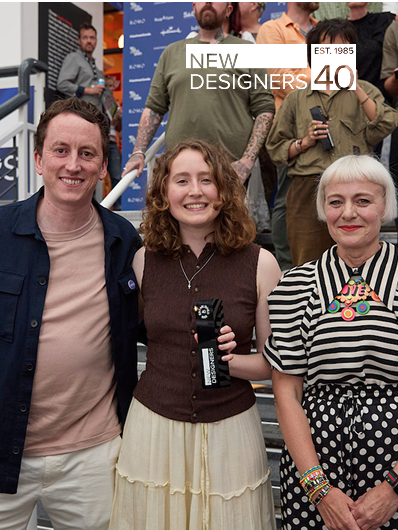
MS: One of the most significant moments was winning the John Lewis Award—it felt like a real validation of my work and my design approach. It was such an honor to have my design recognised by such an established name in the industry. On top of that, being acknowledged by other industry leaders like Allermuir was both exciting and motivating. Their interest in my work gave me a real boost in confidence. The feedback and conversations with other like-minded individuals was constructive and insightful, helping me see areas to grow and refine. I walked away from New Designers with a sense of encouragement and renewed determination to keep pushing forward.
My advice would be to be ready to talk passionately about your work. It's a great chance to showcase your unique perspective and work, to both professionals, students and other like-minded individuals. But don’t get too caught up in trying to impress everyone; focus on making a genuine connection with people who appreciate your work. It can be overwhelming, but it’s such an exciting experience—make sure you soak it all in and be proud of what you’re putting out there!
Where do you see your design career heading next?
MS: I would love to start a career in the industry working as a designer, and understanding what it’s like behind the scenes. Seeing how the process works from start to finish—how designers, manufacturers, and retailers collaborate to bring something to market—really excites me. It’ll be an opportunity to learn about the challenges and opportunities that come with being part of a bigger picture - something past university. I’m ready to absorb as much as I can, learn from experienced professionals, and contribute my own ideas to the mix. I want my next steps to focus on growing as a designer and getting a real sense of what it means to be part of the industry.
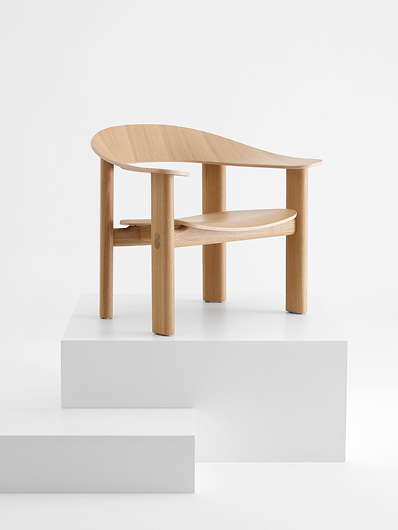
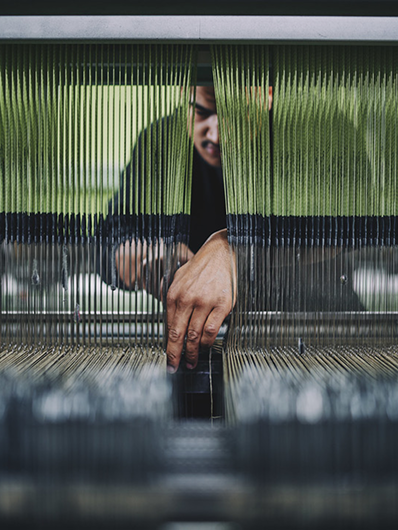
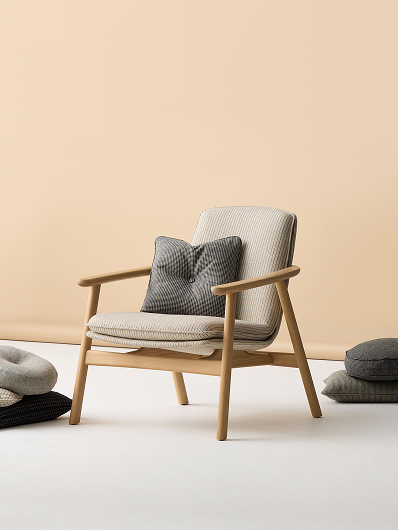
I'm really excited to explore the prospect of working and designing as part of a team, collaborating with other designers, makers, and industry professionals. When designing TUFT , I got a real taste of what it’s like to collaborate with other industry professionals, and it was an incredibly rewarding experience. Working alongside skilled upholsterers gave me a deeper understanding of the process beyond just the design phase. Seeing how my ideas evolved through different stages, and getting feedback and insights from people with such expertise, really opened my eyes to how much richer a design can become when multiple minds contribute. There’s so much to learn from others, and I love the idea of bouncing ideas around and refining concepts together. Being able to contribute to a project where different skills and perspectives come into play is something I’m eager to experience. I think that teamwork fosters innovation, and I’d love to see how a shared vision evolves when multiple minds come together. If people remember my designs for one thing, it would be their thoughtful, tactile nature—pieces that you want to touch, live with, and enjoy over time—that would be the most fulfilling outcome.
Megan is just one example of the next generation shaping the future of design. Keep an eye out for the next story in our New Designers Love Tag Winners series, where we’ll introduce another standout designer worth knowing.Make sure to follow us on Instagram to stay up to date with the latest stories celebrating and supporting the next generation of designers.